
HORL Knife Sharpeners
About HORL
HORL was founded in Germany by father and son Otmar and Timo Horl. Frustrated with the difficulty of using traditional whetstones, Otmar began developing an idea for a more precise and user-friendly way to sharpen knives. In 1993, he started visualising a rolling knife sharpener made from wood and metal. In 2016, HORL was created and their first product was launched.
By combining engineering and functionality, HORL set out to solve a common problem: how to sharpen a dull knife effectively without needing the experience or technique required to use a whetstone. One of the biggest challenges with traditional sharpening is maintaining a consistent angle by hand. If the angle changes during sharpening, it can affect the edge and remove more steel than necessary which damages the knife.
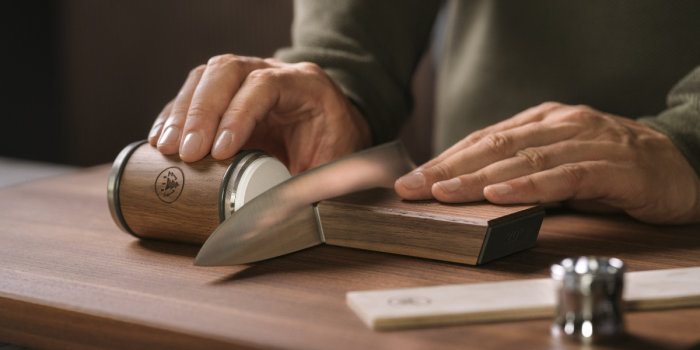
The HORL rolling knife sharpener was designed to make this process much simpler. Its magnetic angle support holds the knife securely at a consistent angle, while the rolling sharpener moves along the blade. The sharpening cylinder features a diamond disc for sharpening and a ceramic disc for refining and honing the edge.
This simple combination has helped make HORL knife sharpeners popular with both experienced cooks and people who have never sharpened a knife before. Rather than relying on complicated techniques, the rolling design makes it easier to maintain a consistent sharpening angle and achieve a sharp, clean edge.
Made in Germany
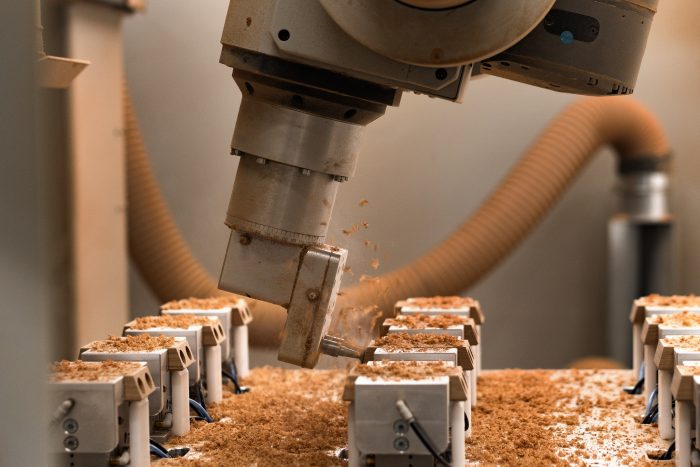
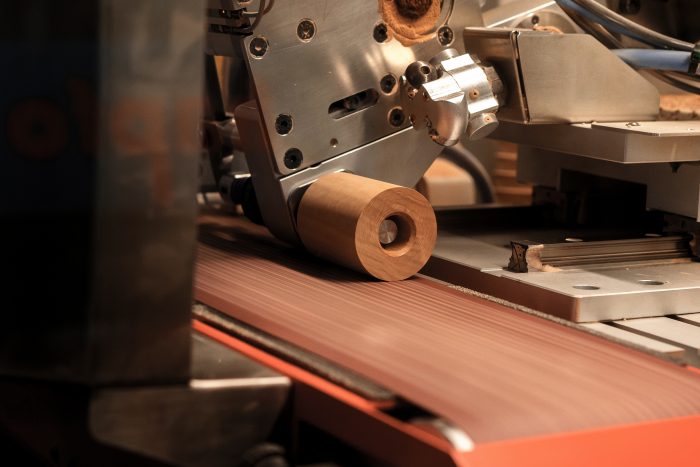
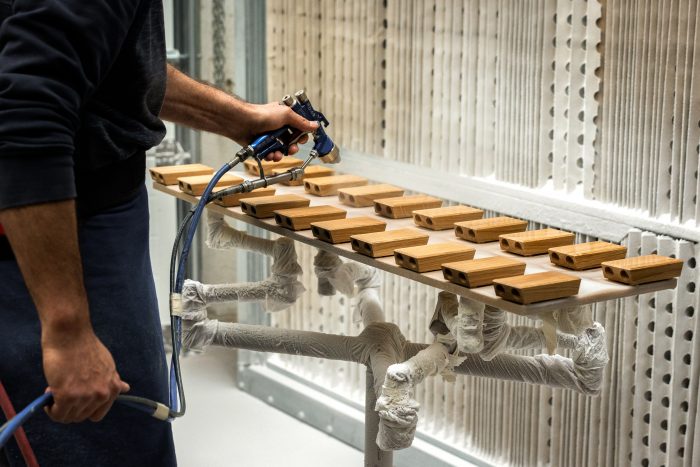
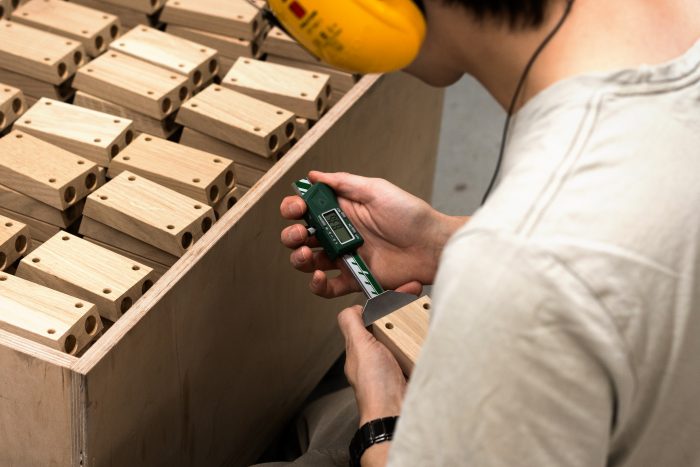
HORL continues to manufacture its knife sharpeners in southwest Germany, near the Black Forest. Keeping production close to home allows the company to maintain control over the materials and manufacturing that go into each sharpener. The brand’s focus on precision engineering is an important part of what separates HORL from many other knife sharpening systems. The sharpeners are designed not only to be effective but also to be comfortable and straightforward to use.

(MWolf89, 2017)

What Angle Should I Sharpen My Knife?
15° – Japanese Knives
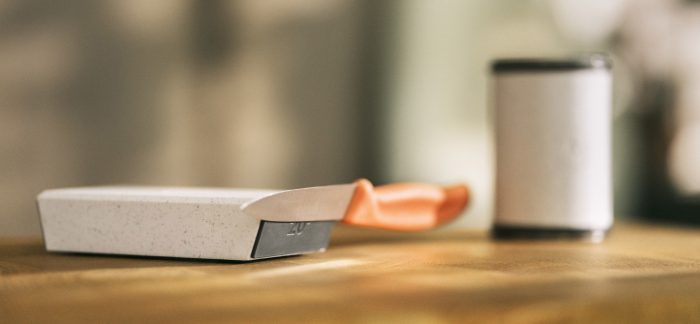
The 15° angle is for Japanese kitchen knives. Japanese blades are often made from harder steels, including VG-10 and SG2, which can support a thinner, more acute edge. A 15° angle creates a narrow V-shaped edge that allows the blade to move through food with less resistance. This is particularly useful for precision cutting, slicing and preparing ingredients where a clean, sharp edge is important.
20° – Western Knives
The 20° angle is generally suited to Western-style kitchen knives, including many German and French knives. These knives are often made from slightly softer and more flexible steels than harder Japanese blades. A 20° edge provides a good balance between sharpness and durability. The wider edge is better suited to heavier kitchen tasks such as chopping, rocking cuts and preparing tougher ingredients.
Which Angle Should You Choose?
The correct sharpening angle depends on the knife you are using. 15° is generally the better choice for many Japanese knives, while 20° is commonly used for Western-style knives. Choosing the correct angle is important because it affects both the sharpness and durability of the edge. Using an angle that is too acute for a particular knife can make the edge more vulnerable to damage, while a wider angle can provide greater durability.
How to Tell If Your Knife Needs Sharpening
Knowing when to sharpen your knife can help maintain its cutting performance and prevent you from having to apply unnecessary pressure when preparing food. Here are the way we test if our knives need to be sharpened:
The Tomato Test
A sharp kitchen knife should be able to slice through the skin of a tomato without much pressure. If the knife struggles to pierce the skin or squashes the tomato instead of slicing cleanly, it is time to sharpen it.
The Paper Test
Hold a piece of paper securely in the air and carefully slice down through it with the knife. A sharp blade should glide through the paper cleanly and easily. If the knife struggles to cut through the paper, the edge is dull and it is time to sharpen it.
How to use the HORL knife sharpener
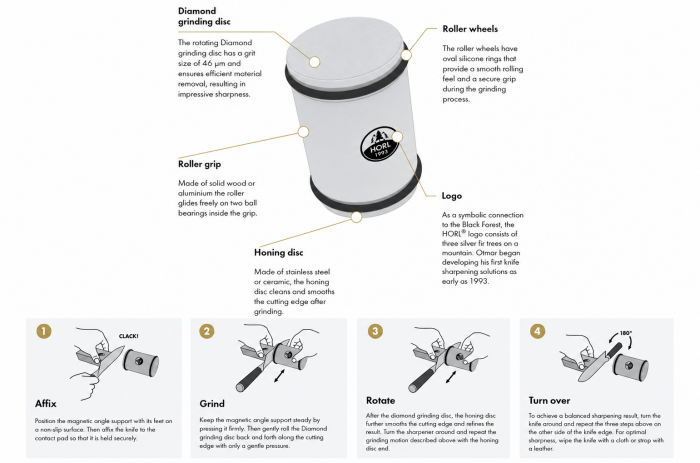
1. Position the Magnetic Angle Support
Place the magnetic angle support on a flat, stable surface, such as a kitchen countertop. The HORL 2 and HORL 3 feature two different sharpening angles: 15° for Japanese knives and 20° for Western-style knives. Choose the angle that is appropriate for your knife.
Hold the magnetic angle support securely with one hand and place the knife against it, making sure the blade is held firmly in position.
2. Sharpen with the Diamond Disc
With the knife held against the magnetic angle support, place the diamond disc against the blade and roll it back and forth along the entire length of the edge.
There is no need to apply heavy pressure. Light, consistent pressure is all that is required. Keep the sharpener moving smoothly along the blade rather than concentrating on one area.
Once you have sharpened one side, turn the knife over and repeat the process on the other side. This ensures that both sides of the edge are sharpened evenly.
3. Use the Marker Test
If you are using your HORL for the first time, the marker test can help you check whether you are sharpening at the correct angle.
Draw a thin line with a permanent marker along the very edge of the blade. As you roll the diamond disc along the blade, the marker will gradually be removed.
Once the marker has been removed from the edge, the bevel has matched the angle of the HORL magnetic angle support. You can then stop grinding with the diamond disc.
This is particularly useful when sharpening a knife for the first time, as most knives do not necessarily leave the factory with an edge that perfectly matches the HORL’s 15° or 20° angle.
4. Refine the Edge with the Ceramic Disc
Once you have finished sharpening with the diamond disc, turn the sharpener over and use the ceramic honing disc. Roll the ceramic disc back and forth along both sides of the blade using light pressure. This helps remove the fine metal burr created during sharpening and refines the edge for a smoother finish.
HORL vs Whetstone
Both HORL and whetstones are effective ways to sharpen a knife, but they work quite differently.
Whetstones give you more control, but they take time and practice to use properly. Keeping the knife at the same angle throughout sharpening can be difficult, especially if you are new to sharpening. You’ll also have to soak the whetstone for 15 minutes before using it.
HORL makes the process much simpler. The magnetic angle holds the knife at a consistent 15° or 20° angle, while the rolling disc does the sharpening for you. There is no need to learn the technique of holding a knife at the correct angle by hand.
If you enjoy traditional sharpening and want complete control, a whetstone is a great choice. If you want something quick, simple and easy to use at home, HORL is a much more convenient option.
How to look after your HORL
Looking after your HORL is simple as it requires very little maintenance. It is important to keep the wooden body away from water to prevent it from becoming damaged. Do not wash the roller or magnetic angle support.
Over time, small metal particles can build up on the sharpening discs. To remove them, simply use a pencil eraser and rub it across the diamond or ceramic disc to keep the surfaces clean.
HORL vs Cheaper Alternatives
As HORL has become more popular, a number of cheaper rolling sharpeners and imitations have appeared on the market.
However, the original HORL focuses heavily on the quality of its materials, engineering and manufacturing. The ergonomic design and simple sharpening process make it suitable for a wide range of users. If you have invested in high-quality kitchen knives, having a reliable sharpening system is an important part of looking after them. A sharp knife is not only more enjoyable to use, but regular maintenance can also help you get more from your knives over time.
Comments are closed here.